G'day,
This week the artificial intelligence (AI) platforms started building rooms for businesses: a profile in ChatGPT, an agent dashboard from Microsoft, a texting shopping agent from Amazon. And Canberra moved to regulate the model builders.
Same format: what happened, so what, and one thing to do about it.
1. ChatGPT lets you claim your business
Image: OpenAI
What happened: On 10 November (US time) OpenAI launched Businesses in ChatGPT in beta. Through a new Business Hub, any eligible business located where ChatGPT is available can claim its profile, update key details and add product feeds with pricing and availability. Business Hub also shows aggregated insights: mentions, website clicks and "discovery topics" where your site is cited. Business Agents, which chat with customers for you and can be the destination for ChatGPT Ads, start with eligible United States ecommerce and online service businesses.
Source: OpenAI
So what? This is Google Business Profile for the AI era, and it's the first time ChatGPT has given brands real numbers on how they show up in answers. Generative engine optimisation (GEO) just got a scoreboard. If you don't claim your profile, ChatGPT still describes you. It just uses whatever it finds.
Do this: Claim your business in Business Hub this week, check every detail, and if you sell online, connect a clean product feed.
2. Australia will regulate the companies building frontier AI

Image: Parliament of Australia
What happened: On 10 November the Prime Minister and three ministers announced mandatory safety and security protections for "all frontier AI companies that wish to operate in Australia", legislated through the coming Australian AI Standards. A new AI safety regulator, working with the Australian AI Safety Institute, would enforce significant penalties. Obligations include independent model evaluation and rapid incident reporting. It follows a review of September's OpenAI agent incident involving an old Medicare statistics portal, and the government will also consider a "failure to prevent" criminal offence.
Source: Prime Minister of Australia · ABC News
So what? These rules target the model builders, not the brands using their tools. But the obligations flow downhill: vendors will ask more questions, sign tighter contracts, and expect you to know which agents touch your systems.
Do this: List every AI tool and agent with access to your customer data or ad accounts, and who owns each one.
3. Your Google Ads reports can't see AI search
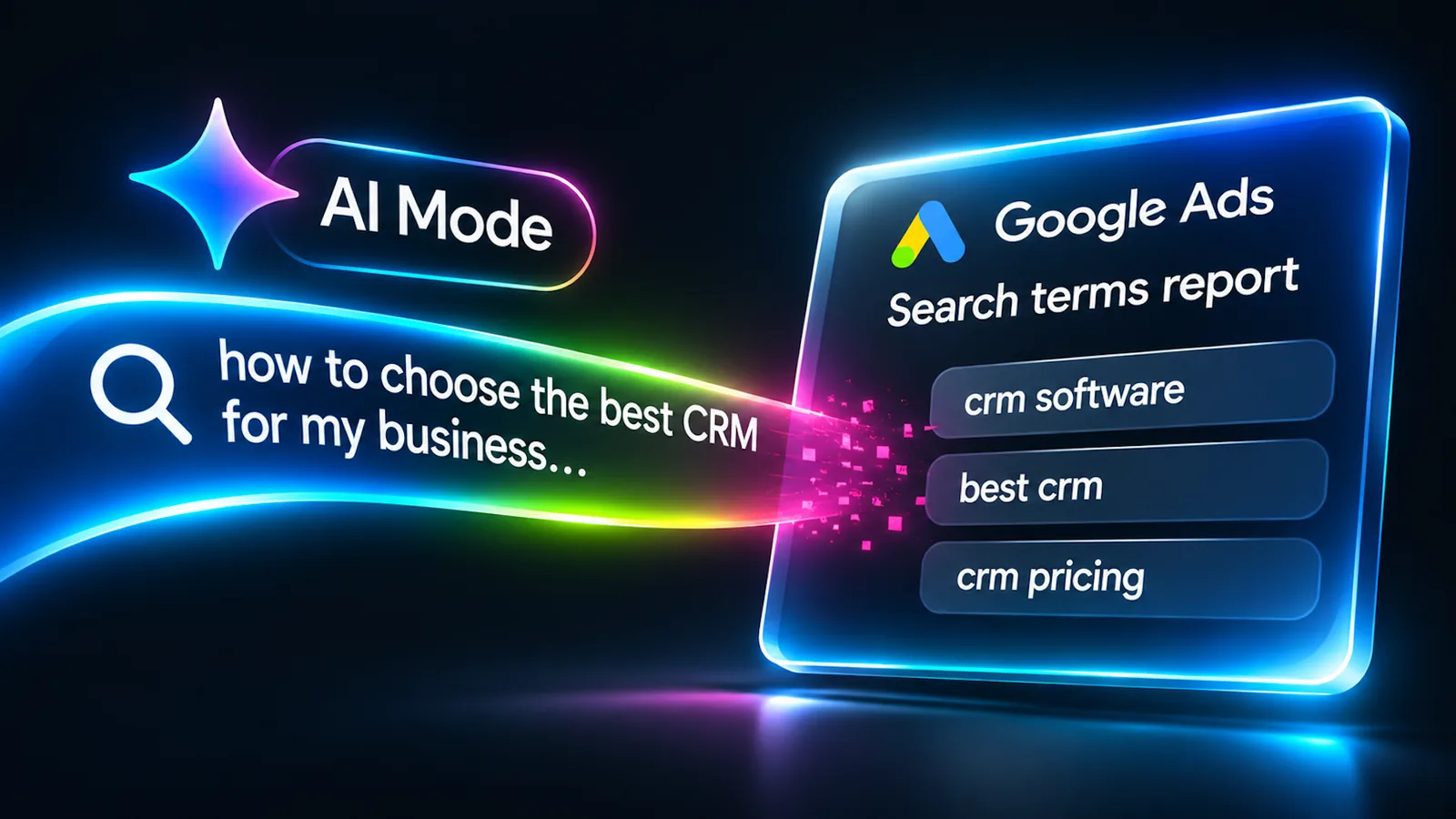
Image: Search Engine Land
What happened: An analysis of more than 400 Google Ads accounts in the United States, United Kingdom and France, published by Search Engine Land on 9 November, found no shift toward longer search terms, even though Google says AI Mode queries are three times longer than traditional searches. The likely reason: Google omits low-volume terms and, for AI Mode and AI Overviews, reports a "best approximation of the user's intent" rather than the prompt as typed. Separately, Search Engine Land reported that Google has begun rolling out multiturn ads, which show in follow-up questions within an AI Mode conversation, in the United States.
Source: Search Engine Land · Search Engine Land
So what? The search terms report used to be paid search's source of truth. Now you're increasingly buying intent you can't read.
Do this: Check the share of unreported search terms in your broad match and Performance Max campaigns, and judge them on revenue and new customers, not keyword lists.
4. Microsoft shows you what AI agents do on your site
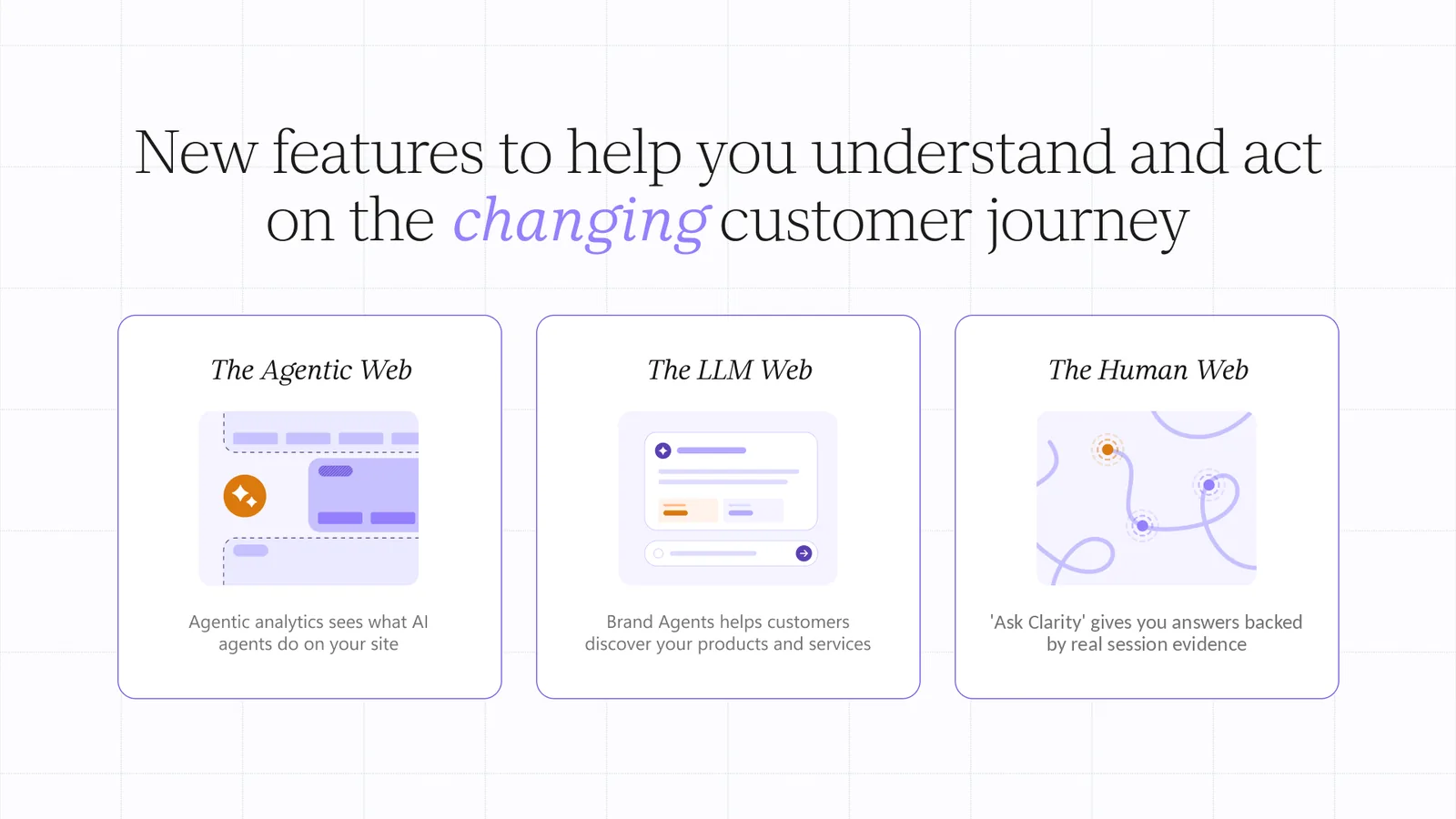
Image: Microsoft Clarity
What happened: Microsoft Clarity, the free website analytics tool, announced on 4 November an Agent Activity dashboard that shows which AI agents visit your site and what they do, plus simulations that test whether agents can complete key tasks. Microsoft says weekly agent sessions nearly doubled in three weeks to almost 2 million in its analysis. Its Brand Agents can now put eligible Shopify and WooCommerce products into Copilot and Bing.
Source: Microsoft Clarity
So what? Your next customer might be a bot doing the shopping for a human. If an agent can't find your promotion or gets stuck at checkout, you lose the sale and never know why.
Do this: Install Clarity (it's free), open the Agent Activity dashboard after a week, and run a simulation on your most important checkout or booking flow.
5. Claude joins the meeting and builds the spreadsheet
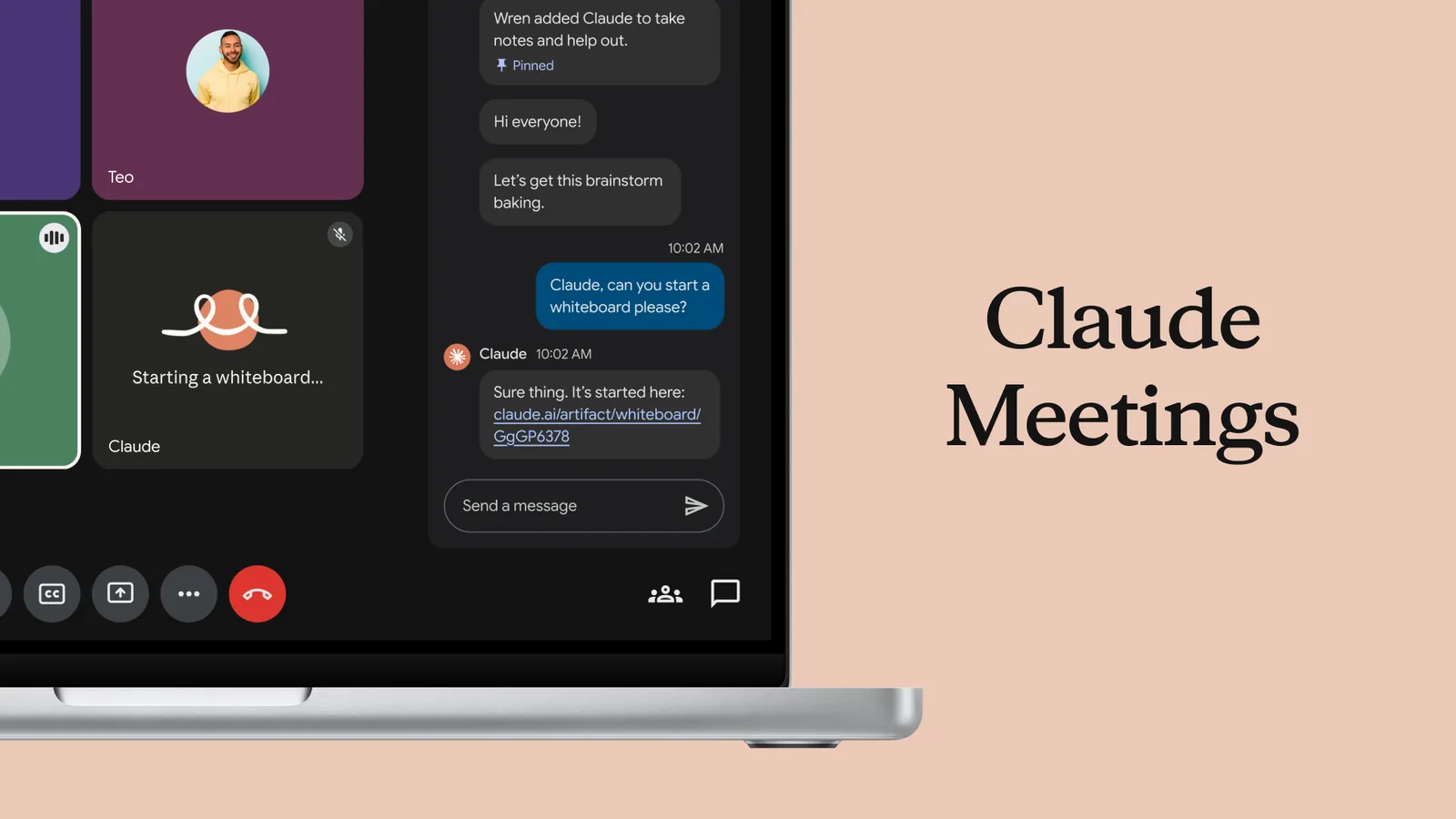
Image: Anthropic (via TechCrunch)
What happened: On 10 November (US time) Anthropic launched Claude Meetings in beta for Team and Enterprise plans. Claude joins Google Meet calls as a visible participant and drafts plans, builds whiteboards and pulls figures from connected apps while people talk. It also launched Claude Whiteboards and Claude Sheets in beta, plus connectors that open apps like Adobe and HubSpot inside Claude. A day earlier it released its Claude Fable 5.2 model.
Source: TechCrunch · Anthropic
So what? The AI labs are building office suites now, and the meeting is the new battleground. The work-about-work in marketing (status calls, campaign trackers, budget sheets) is exactly what these tools target.
Do this: Pick one recurring internal meeting and trial an AI note-and-action tool for a month. Measure how fast actions get done.
6. Amazon wants your customers texting its shopping agent
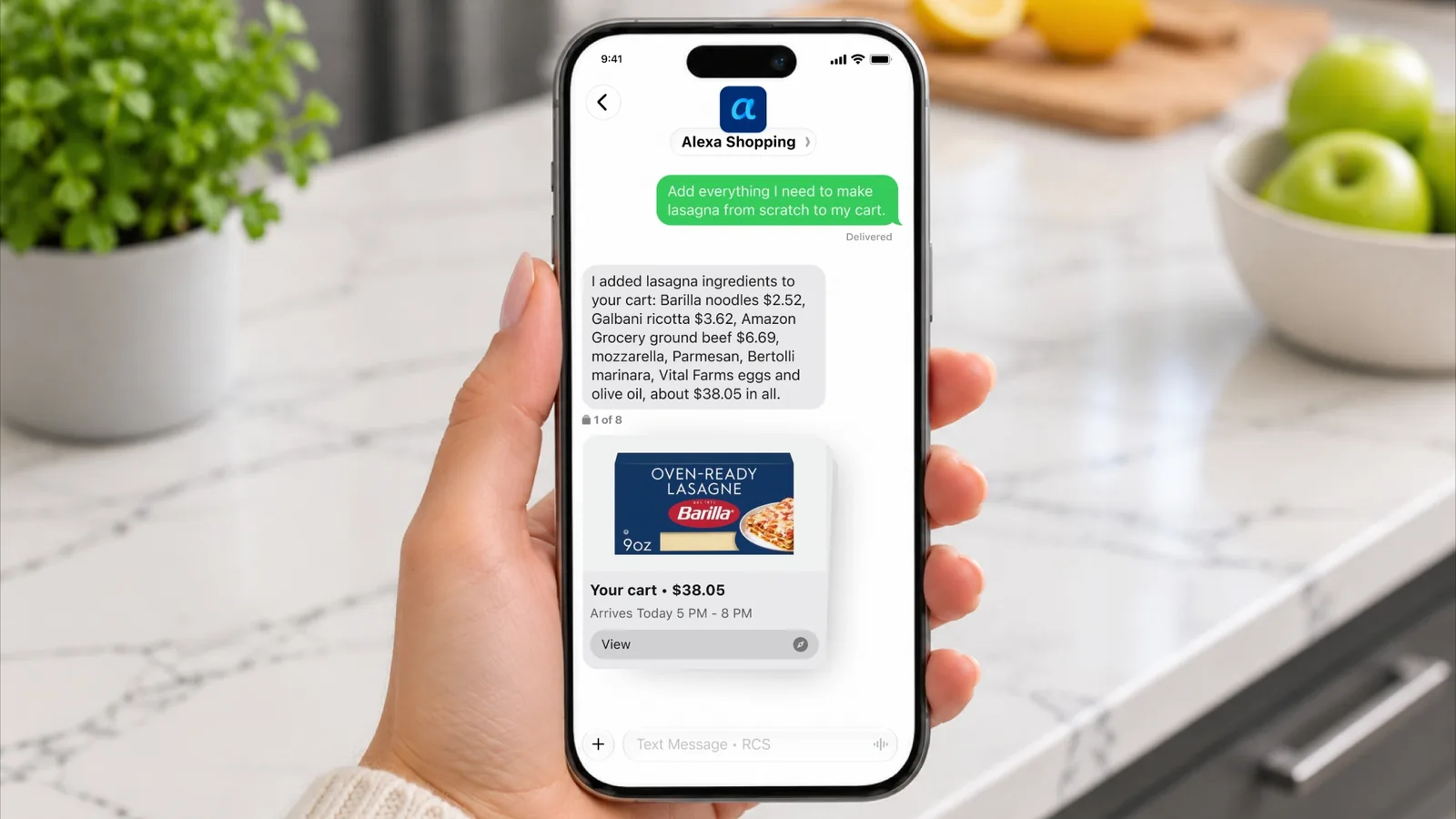
Image: Amazon
What happened: On 6 November Amazon started letting a small group of invited United States customers text Alexa for Shopping, its AI shopping agent to search, buy and track prices, with millions more to follow. Amazon says more than 400 million customers have used Alexa for Shopping in the last 12 months. TechCrunch noted the launch comes after Amazon blocked Meta's Muse agent from querying its site in September.
Source: Amazon · TechCrunch
So what? The big retailers want shoppers using their own agents, not someone else's. For brands selling on marketplaces, that means a single AI deciding which product to recommend. Your listings, reviews and price history are now your pitch to a machine.
Do this: If you sell on Amazon, audit your top five listings for complete specs, clear titles and fresh reviews, because that's what an agent compares.
Quick hits
- Gemini 4 Carbon is out: Google's frontier model is now available to paying developers and enterprises, and in AI Mode for Google AI Ultra subscribers. Google
- AI Overviews hit French clicks: in five sites shared by Glenn Gabe, one lost nearly 47% of daily clicks after the July launch in France, while two held steady. Search Engine Land
- Meta pauses its new ad terms: the updates due on 20 November are on hold with no new date, so the existing terms, including Meta's right to crawl advertiser websites, still apply. Search Engine Journal
- Google may be testing Search without an AI Mode tab: Search Engine Watch spotted it in private browsing; AI Overviews still appeared. Search Engine Watch
Phil's take: claim your spot before a machine writes it for you
Every story this week points the same way. The AI platforms are building places for businesses to live: a profile in ChatGPT, products in Copilot, agents that shop on Amazon and Claude sitting in your meetings. That's an opportunity, but only if you show up on purpose. A model will describe your brand whether you help it or not, and an agent will pick a product whether your listing is complete or not. Meanwhile, your ad reports are getting harder to read. My advice: stop treating AI as a channel you'll get to next quarter. Claim what you can, measure what you can see, and make your brand the easiest one for a machine to understand. For all intents and purposes, the front door to your business now has an AI on it.
Until next week,
Phil CEO, Intender · Intent marketer
Not sure how your brand shows up when AI answers the question? Book a Fresh Eyes Audit and we'll show you where intent is leaking.