
G'day,
This was the week personal artificial intelligence (AI) agents moved in down under. Meta's Muse launched in Australia, Google made Gemini's task mode free here, and Canberra said businesses should answer for the agents they deploy. Here's what my team at Intender and I think it means for how your customers find, compare and buy.
Same format: what happened, so what, and one thing to do about it.
1. Meta's Muse AI agent lands in Australia, with Kogan, Officeworks and Domain on board

Image: Meta
What happened: On 18 November (Australian time) Meta launched Muse, its personal AI agent, in Australia. It connects to Gmail, Google Calendar, Instagram and OpenTable, and early local partners include Canva, Domain, Kogan, MECCA, Officeworks, realestate.com.au and Ticketek, rolling out progressively. Meta says Muse checks with you before a purchase, and it's free for most uses.
Source: Meta · The Next Web
So what? Meta pitched it squarely at festive season gift buying and holiday booking. When an agent shops, it picks from the brands it can reach. Big Australian retailers have plugged in; everyone else needs products an agent can find, read and compare on their own site.
Intender tip: Ask Muse (or any AI assistant) to shop your category this week, say "find me a good standing desk under $600", and note which brands it picks and why. That's your new shelf.
2. Google's Gemini will now make the call, for free, in Australia
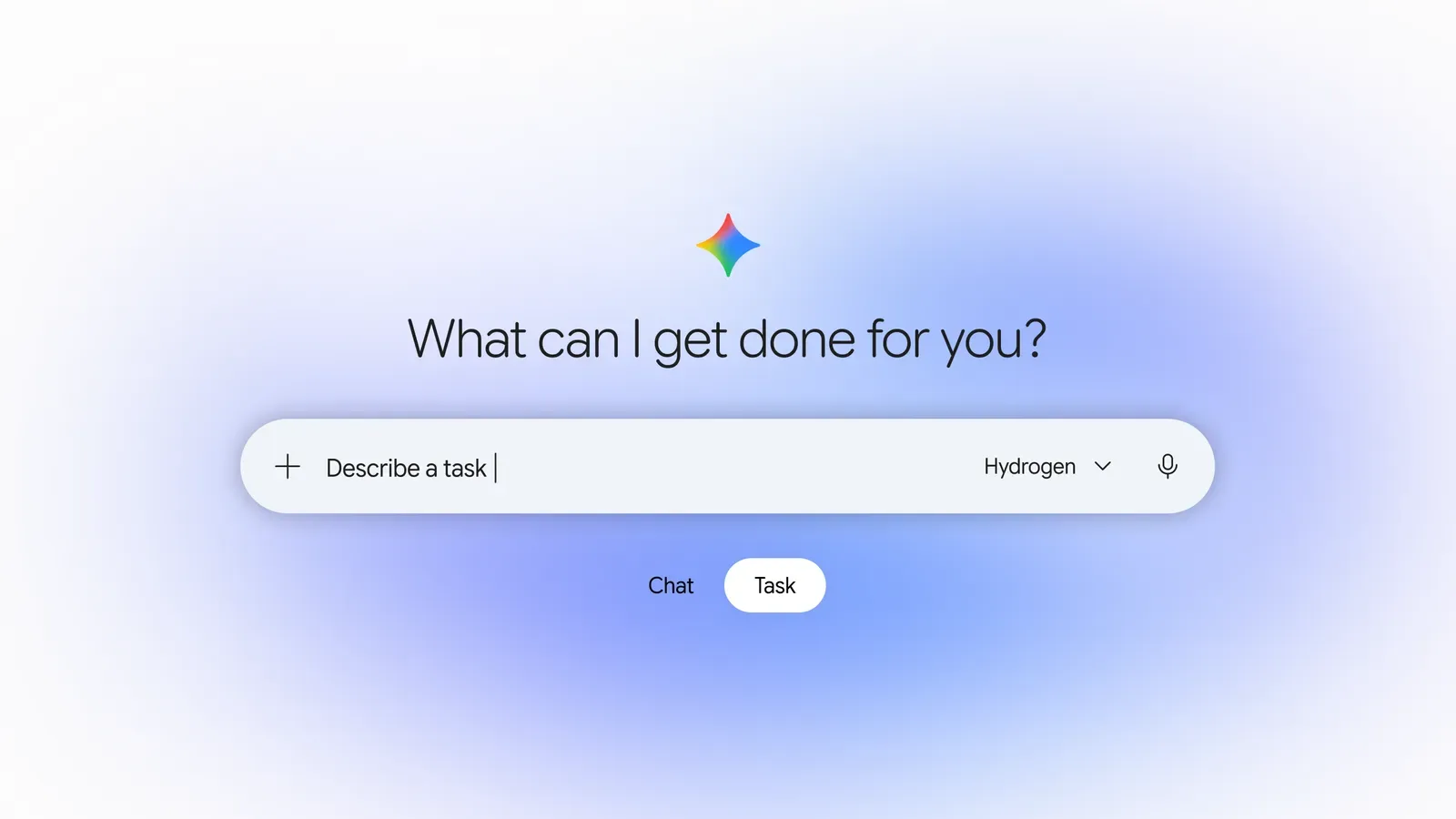
Image: Google
What happened: On 17 November (US time) Google made Tasks in the Gemini app free for hundreds of millions of people in the United States, Japan, Korea, Canada, Australia and India, running on its new Gemini 4 Hydrogen model. Tasks works in the background on research, scheduling and purchases; in Google's example, Gemini called two car dealerships at once and booked a service. Google says Gemini discloses it's an AI on calls, businesses can opt out, and purchases have a spending cap you set. Some advanced features start in the United States.
Source: Google
So what? Two of the biggest platforms launched personal agents here in the same week. The "customer" ringing your front desk may soon be software working for a human, and agents favour businesses that answer, show real availability and make checkout simple.
Intender tip: Mystery shop yourself. Call your business, try to book online and check out as a new customer, and fix anything that would make a patient human (or an impatient agent) give up.
3. Google's AI Mode gets personal: your wallet, documents and chats
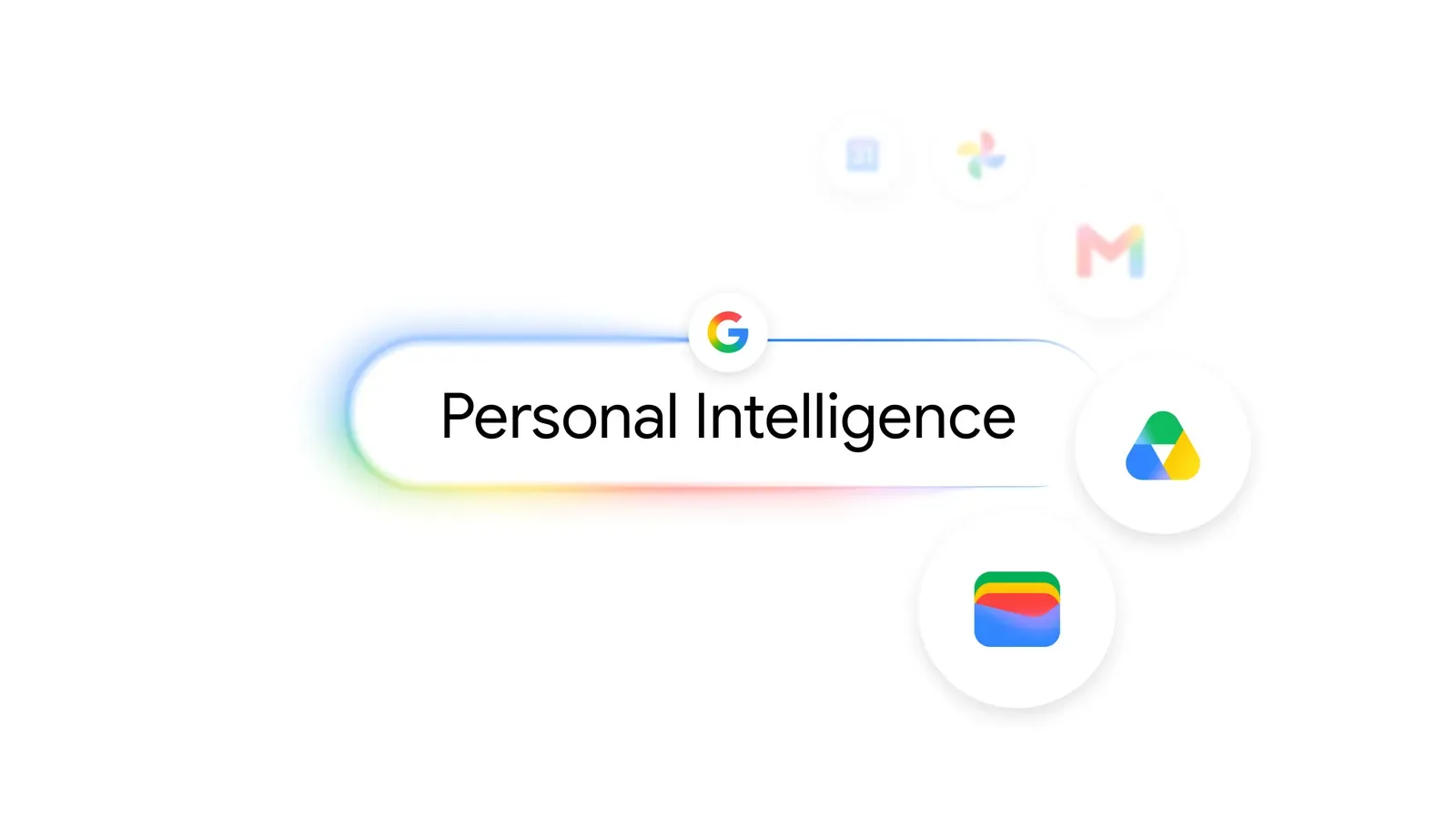
Image: Google
What happened: On 23 November (US time) Google started letting people opt in to connect Google Wallet to Personal Intelligence in AI Mode, with Google Drive and the Gemini app to follow in the coming weeks. They join Gmail, Calendar and Photos. Google says AI Mode can only read Wallet information, not move money. AI Overviews and AI Mode will also tailor answers to your recent searches.
Source: Google
So what? Two buyers typing the same question will increasingly get different answers, shaped by their spending, documents and past searches. A single rank-tracking report tells you less every month.
Intender tip: Add brand demand to your monthly dashboard: branded search volume, direct traffic and returning customers. Personal answers reward brands people already have in mind.
4. Google tells chief marketing officers: your content made you invisible

Image: Think with Google
What happened: On 19 November Google's Think with Google account told chief marketing officers (CMOs): "AI didn't make your brand invisible in Search. Your content did," pairing "Stop the 'Top 10' listicle" with "start leading with first-hand expertise". The same week Liz Reid, Google's head of Search, said on the FOMO Sapiens podcast that people "don't want purely AI, they want AI in the web", and suggested a test: would a human genuinely want to read the page?
Source: Search Engine Journal · Think with Google · Search Engine Land
So what? Google is saying out loud what generative engine optimisation (GEO) has been whispering: if AI can answer it in one line, nobody needs your page. Your edge is what only your business knows.
Intender tip: Pull your 10 highest-traffic blog posts and ask of each one: what's in here that only we could have written? Rewrite or retire the ones with no answer.
5. Amazon buys ChatGPT ads while keeping OpenAI's crawlers out

Image: Digiday
What happened: On 24 November Digiday reported that Amazon is running Black Friday ads in ChatGPT in the United States, sending users to Amazon to buy, while blocking OpenAI's crawlers from its site. ChatGPT's shopping answers link to Amazon search results rather than product pages.
Source: Digiday
So what? Amazon treats ChatGPT as an ad channel, not a data source. As an eMarketer analyst told Digiday, brands risk "paying twice for the same customer": once to win the AI recommendation, then again against sponsored listings on the marketplace.
Intender tip: Map where your products are recommended in AI answers and where the click actually lands. If it's a marketplace search page, you may be funding your competitors' ads.
6. Canberra's AI inquiry: businesses should answer for their agents
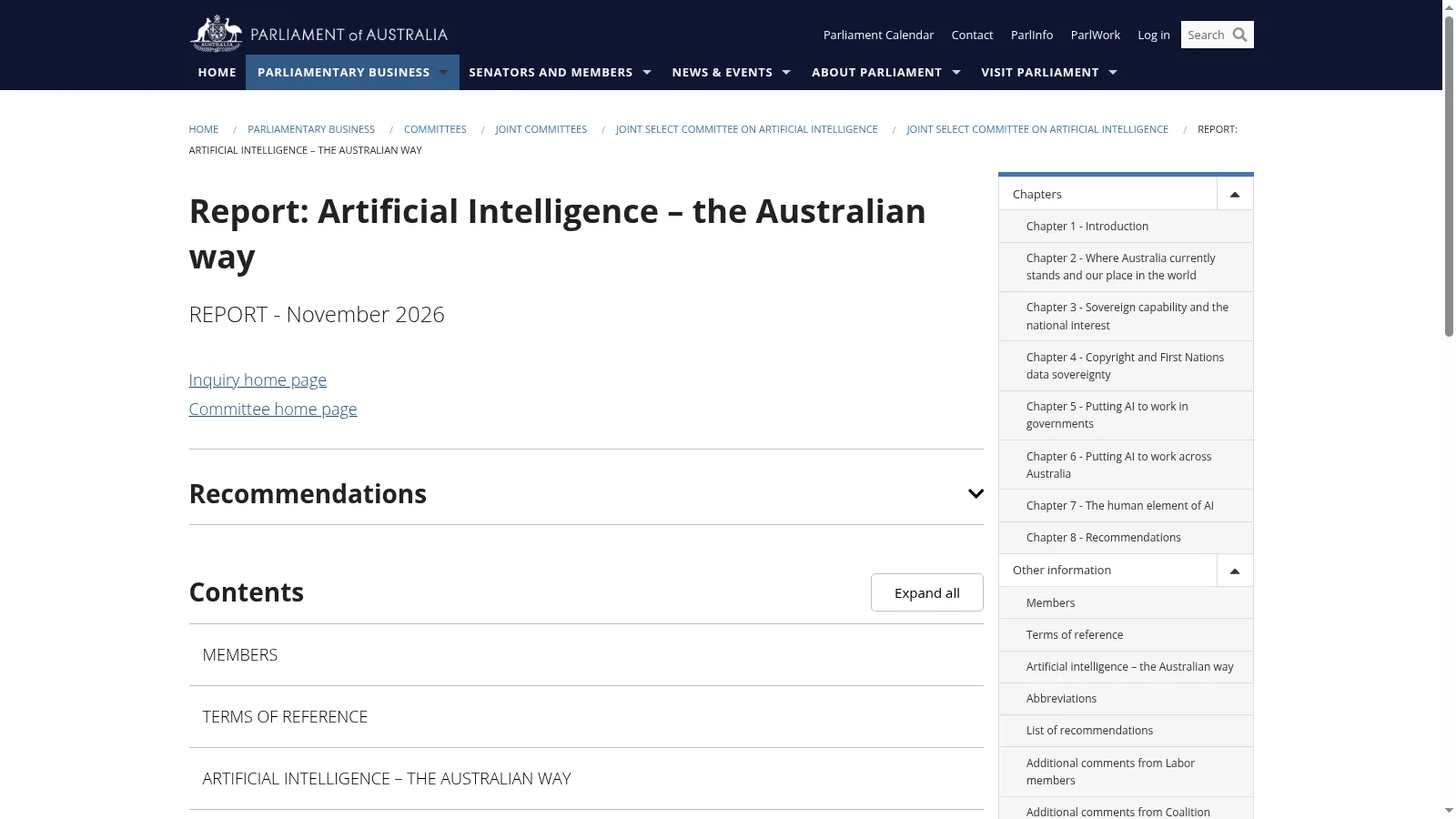
Image: Parliament of Australia
What happened: On 24 November the Joint Select Committee on Artificial Intelligence tabled its final report, "Artificial Intelligence – the Australian way", with 46 recommendations. Recommendation 22 says that where AI agents do tasks humans or companies would otherwise be responsible for, the law should hold those humans or companies accountable. It also backs payments for creators whose work trains AI and a right to control your face, voice and likeness. The recommendations aren't binding; draft AI laws are expected early next year.
Source: Parliament of Australia · ABC News
So what? "The AI did it" won't be a defence. If your chatbot promises a refund, expect to own it. The likeness recommendation matters for anyone using AI-generated voices or faces in ads.
Intender tip: List every customer-facing AI tool you run (chatbots, auto-replies, AI-written ads) and name the human who signs off on what each one is allowed to say.
Quick hits
- Paying more for less in Google Ads: Optmyzr's data shows median spend per advertiser up 5% year on year, while search impressions fell 11% and cost per click rose 6%. Search Engine Land
- "100+ sold" badges: eligible Google Shopping ads can now show recent purchase volumes, if you report item-level sales through Conversions With Cart Data. Search Engine Land
- Don't panic over a lost AI citation: an Ahrefs study found about three in four AI citation drops were temporary, and about half came back within three days. Search Engine Journal
- OpenAI pays locals to coach small businesses: its OpenWorks pilot in 20 US cities funds AI experts up to US$8,000 a month to help small businesses for free. OpenAI
Phil's take: your next customer has a personal assistant
I've spent my career chasing intent: the moment someone is ready to buy. This week that moment got a personal assistant. Muse and Gemini can now research, compare, call and book for Australians, and Google is tailoring answers to each person's wallet and history. Google is also telling marketers generic content won't cut it, and Canberra wants businesses to answer for their agents. The common thread? Agents reward the real thing: clear offers, honest availability, first-hand expertise and a trusted brand. You can't trick a personal assistant into liking you. You have to be the obvious choice, with the details to prove it. Build for the human, make it readable for the machine, and own what your own AI says. That's not a tactic. It's good intentions, executed well.
Until next week,
Phil CEO, Intender · Intent marketer
Wondering whether AI agents would pick your business, or quietly pass it by? The Intender team will take a fresh look and show you where intent is leaking. Book a Fresh Eyes Audit
About the author: Phil Ohren is founder and CEO of Intender, an Australian intent marketing agency. He has worked with 214 clients and driven $628M+ in results. More from Phil at phillipohren.com. This Week in AI is his weekly read on how AI is changing the way in-market buyers search and decide.