Updated Oct 2026: Native advertising in 2015 meant ads that look like content. In 2026 the newest version is ads inside AI answers. The definitions below still hold. The formats have multiplied. Originally published 2015-08-23 on phillipohren.com.
By definition, Native Advertising is a type of digital advertising that seamlessly matches the platform or publisher it is hosted on.
Essentially, the goal of Native advertising is subtly. And, in an ideal world, it’s almost undetected. There are two main types of Native Advertising:
- Native Format
- Native Content
1) Native Formats: Essentially, paid ads that blends in.
Native Advertising that falls into this category is typically an ad unit that doesn’t look like an advert.
The main advantages of this adverting improved click-through rates (CTR) and increased engagement.
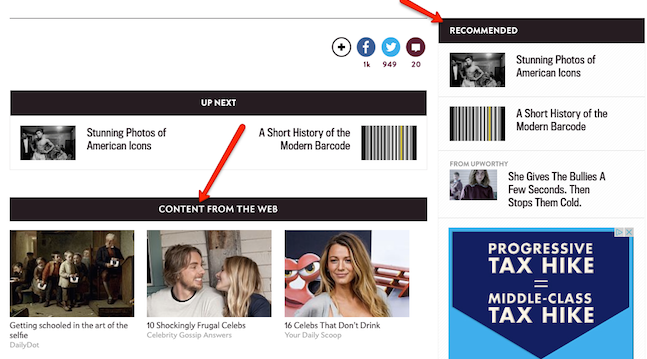
An ‘in feed’ Native Advert. E.g. Outbrain

Native Facebook Advert
2) Native Content: Editorial content that subtly mentions a brand or product.
Native advertising that falls in this category is typically brand content or sponsored content that is written by an advertiser to promote their product but using the same form as an article written by the editorial staff.
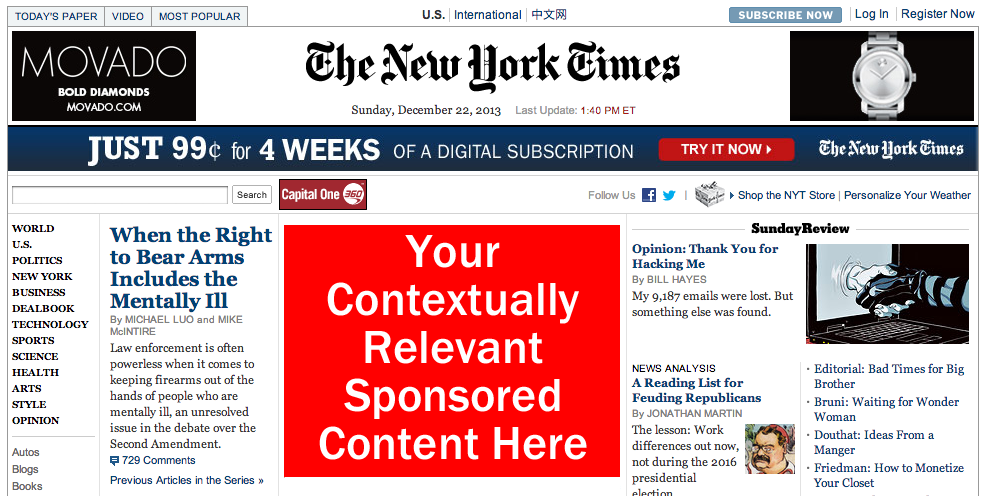
Native content placed alongside other content
Which is better?
Each format has a similar goal in mind, however, their main differences are is this: Native ads will essentially trick a person into a click. Native content is trying to subliminally convey a brand message to the person while the read content they’re interested in.
Images are linked to their Wayback Machine copies for now and need re-hosting before publishing. Archived from the Wayback Machine, October 2026.